 Læs indholdet højt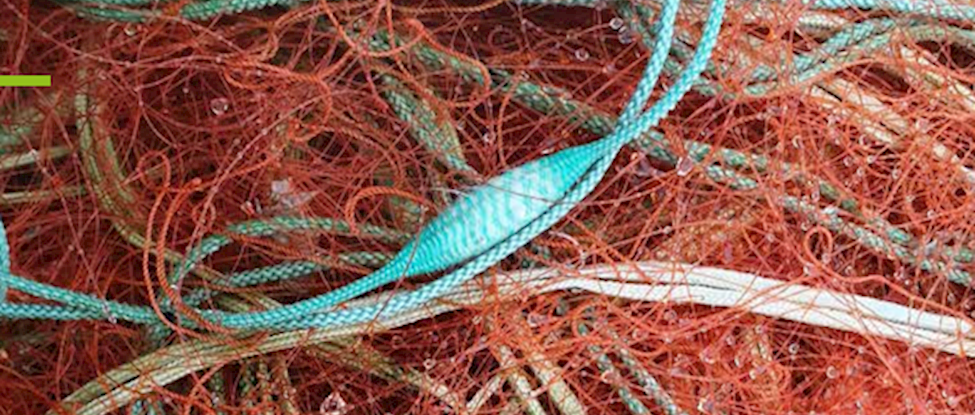
Grønland og EU styrker samarbejdet om plastikforurening og havaffald
Departement for Miljø, Natur, Energi og Forskning har afholdt workshop med Europa-Kommissionens Joint Research Centre (JRC) samt forskere indenfor området. Fokus var plastikforurening, spøgelsesnet og affald i havet og mulige løsninger på en styrket fremtidig indsats i Grønland.
Plastikforurening og affald i havet er en global miljøudfordring, som også påvirker det arktiske havmiljø. Naalakkersuisut ønsker derfor at styrke arbejdet med at forebygge og håndtere forureningen gennem samarbejde mellem myndigheder, forskningsinstitutioner og internationale partnere.
”Havet omkring os er en stor del af vores liv. Det er her, vi finder en stor del af vores føde, og det er en vigtig del af vores kultur og vores hverdag. Derfor kan vi ikke se plastik og forurening i havet som et problem der er langt væk fra os. Det er noget der berører os alle, og som vi har et fælles ansvar for at løse,” siger Naalakkersuisoq for Miljø, Natur, Energi og Forskning, Jørgen Rosbach.
Som led i dette arbejde afholdt Departementet for Miljø, Natur, Energi og Forskning en tre dage lang workshop i samarbejde med Europa-Kommissionens Joint Research Centre (JRC).
JRC bidrager med uafhængig, evidensbaseret viden og forskning på en række aktuelle områder. Workshoppen gav mulighed for at udveksle viden og erfaringer om plastikforurening og havaffald i Grønland med særligt fokus på spøgelsesnet og mulige løsninger.
Workshoppen samlede repræsentanter fra JRC samt forskere fra Grønlands Naturinstitut, Aarhus Universitet og Danmarks Tekniske Universitet (DTU). Repræsentanterne fra de tre forskningsinstitutioner leder tilsammen forskningsprojektet Imarput, som gennem lokale undersøgelser bidrager til at skabe og formidle viden om plastikforurening og forurening i det grønlandske havmiljø.
Naalakkersuisoq Jørgen Rosbach afslutter:
”Plastikforurening og affald i havet er en udfordring, som vi ikke kan løse alene. Det kræver samarbejde, viden og konkrete løsninger. Med workshoppen har vi samlet relevante forskere og internationale samarbejdspartnere for at styrke vores fælles forståelse af udfordringerne og se på, hvordan vi kan styrke indsatsen i Grønland.”
Workshoppen er dermed et skridt i retning af et tættere fagligt samarbejde mellem Grønland og EU og en styrket national indsats mod plastikforurening og havaffald.
Kontakt
For yderligere oplysninger kontakt ministersekretær Malik Schmidt på 34 58 38 eller på e-mail: pan@nanoq.gl
******************************
Greenland and the EU strengthen collaboration on plastic pollution and marine litter
The Ministry of Environment, Nature, Energy and Research has held a workshop with the European Commission’s Joint Research Centre (JRC), as well as researchers in the field. The focus was on plastic pollution, ghost nets and marine litter, and possible solutions for a strengthened future effort in Greenland.
Plastic pollution and marine litter are global environmental challenges that also affect the Arctic marine environment. The Government of Greenland therefore wishes to strengthen efforts to prevent and manage pollution through collaboration among authorities, research institutions, and international partners.
“The sea around us is a large part of our lives. It is here that that we get a lot of our food from, and it is an important part of our culture and our everyday life. Therefore, we cannot see plastic and pollution in the sea as a problem far removed from us. It affects us all, and we share a responsibility to solve it,” says the Minister for Environment, Nature, Energy and Research, Jørgen Rosbach.
As part of this work, the Ministry of Environment, Nature, Energy and Research held a three-day workshop in collaboration with the European Commission’s Joint Research Centre (JRC).
The JRC contributes independent, evidence-based knowledge and research in a number of current areas. The workshop provided an opportunity to exchange knowledge and experience regarding plastic pollution and marine litter in Greenland, with a particular focus on ghost nets and potential solutions.
The workshop brought together representatives from the JRC, as well as researchers from the Greenland Institute of Natural Resources, Aarhus University and the Technical University of Denmark (DTU). Representatives from the three research institutions jointly lead the Imarput research project, which, through local studies, helps generate and share knowledge about plastic pollution and other pollution in the Greenlandic marine environment.
Naalakkersuisoq Jørgen Rosbach finale words:
“Plastic pollution and marine litter are a challenge that we cannot solve alone. It requires collaboration, knowledge and specific solutions. Through the workshop, we brought together relevant researchers and international partners to deepen our shared understanding of the challenges and explore how we can strengthen efforts in Greenland.”
The workshop is thereby a step towards closer professional collaboration between Greenland and the EU and a strengthened national effort against plastic pollution and marine litter.
Contact
For further information, please contact Ministerial Secretary Malik Schmidt at 34 58 38 or via email: pan@nanoq.gl